Limewash
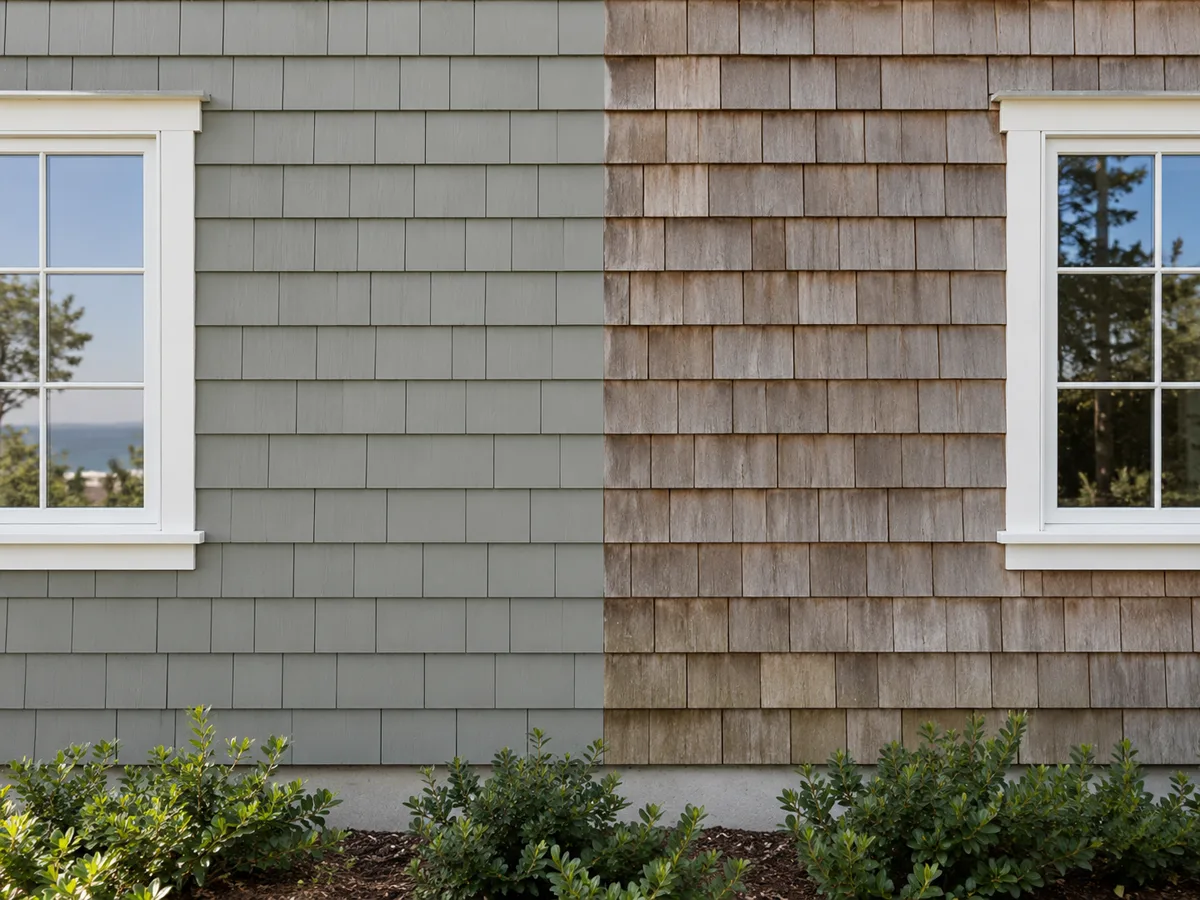
A thin, mineral coating that soaks into an absorbent wall instead of forming a film on top of it. Because it stays vapor permeable, it suits masonry and older walls, and it has low opacity at first that builds as it dries and cures.

Carlsbad Expert Painting is San Diego County's trusted specialist for limewash and Venetian plaster in Carlsbad, CA, specializing in limewash painting, polished plaster and troweled lime finishes. We offer sample boards approved on your own wall and a surface check before any mineral finish is mixed.
Our team provides hand-applied layers and careful sealing, delivering depth that flat painting cannot copy for both residential and commercial projects. The same crew that samples your wall applies the finish, and we write a scope naming the base coat, the number of layers and the sealer, with product data for approval on larger jobs.
From the first sample board to the final burnish and wax, our team handles every detail. Serving Carlsbad, Encinitas and Del Mar, we work on Village cottages, Aviara living rooms and coastal-bluff entries.
Why Carlsbad Expert Painting
No salesperson hands you to a stranger. The person who measures the job answers for it.
Lime finishes are chemistry, not drying. Limewash is made from slaked lime, and it hardens by carbonation: a reaction with carbon dioxide in the air that converts it into calcium carbonate crystals. Traditional lime plaster sets the same way, which is why it cannot set under water and needs access to the air while it cures.
A thin, mineral coating that soaks into an absorbent wall instead of forming a film on top of it. Because it stays vapor permeable, it suits masonry and older walls, and it has low opacity at first that builds as it dries and cures.
Sand, water and lime, applied in several thin layers with a trowel. Lime plaster is permeable, sets to a solid mass that is durable yet flexible, and is less brittle than cement plaster. Its high alkalinity also discourages mold.
Also called polished plaster: slaked lime with marble dust or chips, troweled in one to four thin layers over a primer and base coat. Burnished with a steel trowel it takes a glass-like sheen and looks like polished marble, travertine or limestone. It is usually sealed with a wax.
Some walls take a mineral finish directly and others need a prepared base. We check which you have on the first visit.
Venetian plaster is used mainly on interior walls and ceilings. For exterior work near the coast, we discuss the wall and the exposure on site and do not promise a finish we have not seen on your surface.
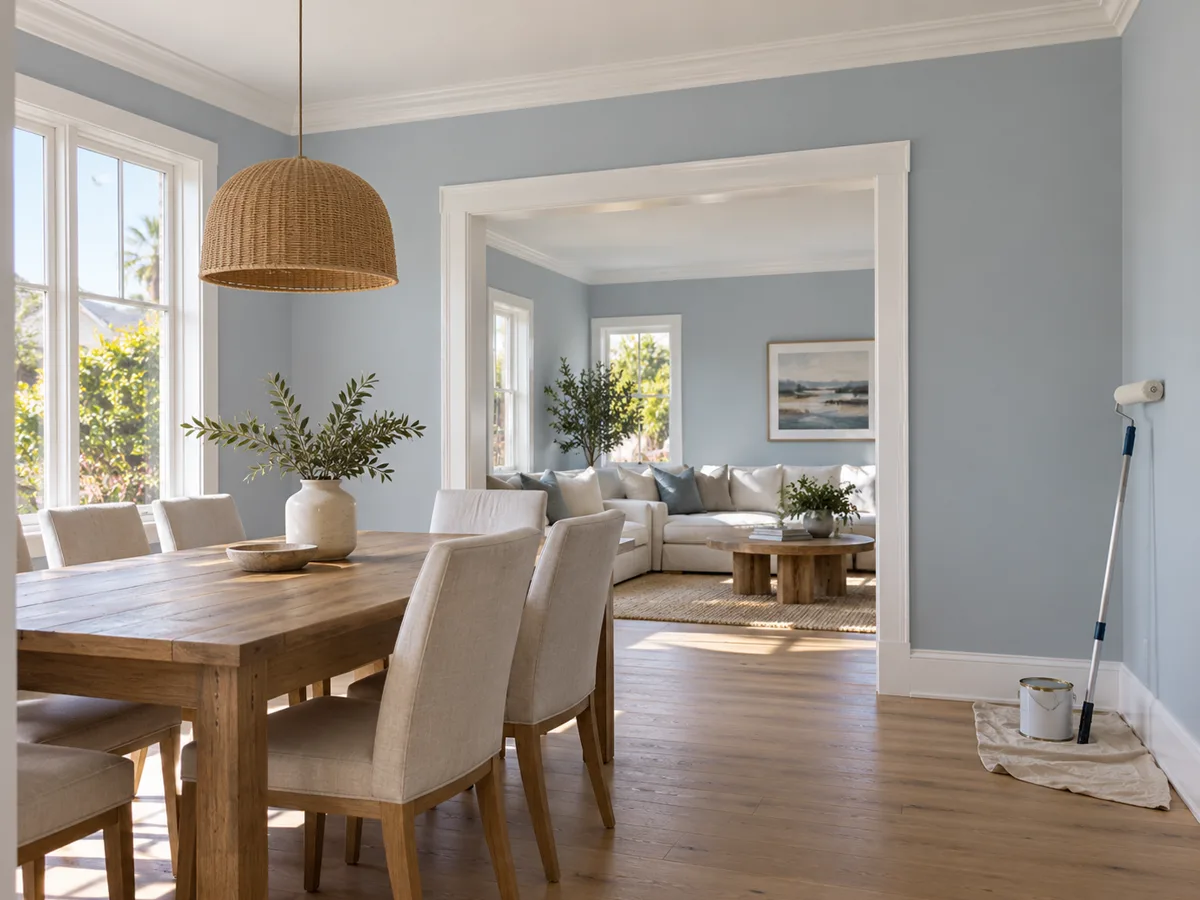
A mineral finish cannot be judged from a paper chip. Limewash starts pale and its opacity increases as it dries, and a burnished plaster changes with the light across the day, so what you approve has to be a sample of the real material.
We make two or three samples of the finish and tint you are considering and hold them against your own wall in your own light, morning and afternoon.
On larger rooms, we can finish a small area and let you see it dry before the rest is started.
The chosen sample goes into the written scope by number, so the finished wall is measured against something you signed off.
The process
We look at the walls, test how they absorb, and make sample boards of the finishes you are weighing.
Cracks are repaired, glossy or sealed surfaces are given a base coat suited to the finish, and floors, trim and furniture are protected, because lime splashes and plaster dust are hard to get out of anything porous.
Absorbent walls are dampened before limewash so the coating is drawn in evenly instead of turning powdery. Limewash is then brushed on in thin coats, and plaster is troweled on in thin layers.
Polished plaster is burnished and waxed, the room is cleaned, and we walk the walls with you in daylight and lamp light before we call the job finished.
Carlsbad homes range from 1950s cottages and 1960s ranch houses in the northwest to master-planned houses in Aviara and La Costa, and each takes a mineral finish differently.
Plaster and masonry walls in older homes suit limewash's breathable character, and a fireplace or entry wall is a low-risk place to start.
Drywall rooms in newer houses take Venetian plaster over a prepared base, which is why designers often pair a single polished wall with quiet painted walls around it.
Mineral accents sit well beside standard interior painting, and we coordinate the two so trim, ceilings and plaster are finished in the right order.
Limewash and plaster age differently from paint. Successive limewash coatings build up scale layers that naturally flake away, taking surface grime with them, so a limewashed wall is refreshed rather than stripped. Unburnished plaster is brittle and damages easily, while a properly burnished, waxed finish becomes rock-hard.
We leave a written care sheet with the product names so touch-ups match. If a wall is scuffed years from now, the same sheet tells whoever repairs it which lime product, tint and sealer were used, and how the patch should be blended into the field rather than outlined as a square.

Limewash and Venetian plaster in Carlsbad are typically estimated at roughly $4 to $25 per square foot, and the spread reflects how different the two finishes are: a limewash coat over prepared plaster sits at the low end, and multi-layer burnished plaster sits at the high end.
These figures are estimates and can change; the written quote, after we see the wall and your approved sample, sets the final price.
Questions
It suits absorbent mineral surfaces such as plaster, masonry and stucco. A glossy painted wall needs a prepared base first. We tell you which case you have at the walk.
In thin troweled layers over a primed base coat, then burnished with a steel trowel for sheen and sealed, usually with wax. The number of layers depends on the look you choose.
Yes. Sample boards are held against your wall in your own light, and larger rooms can begin with a small finished patch. Nothing is applied to the room until you approve.
Not exactly. Limewash begins with low opacity and builds as it dries, and plaster shifts with light, which is why we sample the real material.
It can on the right masonry, but we assess the wall and its exposure on site and do not promise a result for a surface we have not seen.
Wax-sealed plaster is wiped gently with a soft cloth. We leave a written care sheet naming the sealer so touch-ups match.
Yes. Designers send a sample reference or color and we prepare boards for their review, then follow the approved sample in the written scope.
Yes. We look at the walls, make samples and give a written estimate. Reach us by phone or the request form to schedule the visit.
Yes. A single fireplace or entry wall is a common first job, and we match the surrounding paint sheen so the plaster reads as a feature.
Not directly over a sealed or glossy film, because limewash needs to soak in. We prepare a suitable base first and confirm it on your sample board.
Homeowners get a free on-site estimate. Boards, managers and contractors can send a scope for a bid.
Licensed, insured and bonded · License #585047. Calls only, we do not receive text messages.