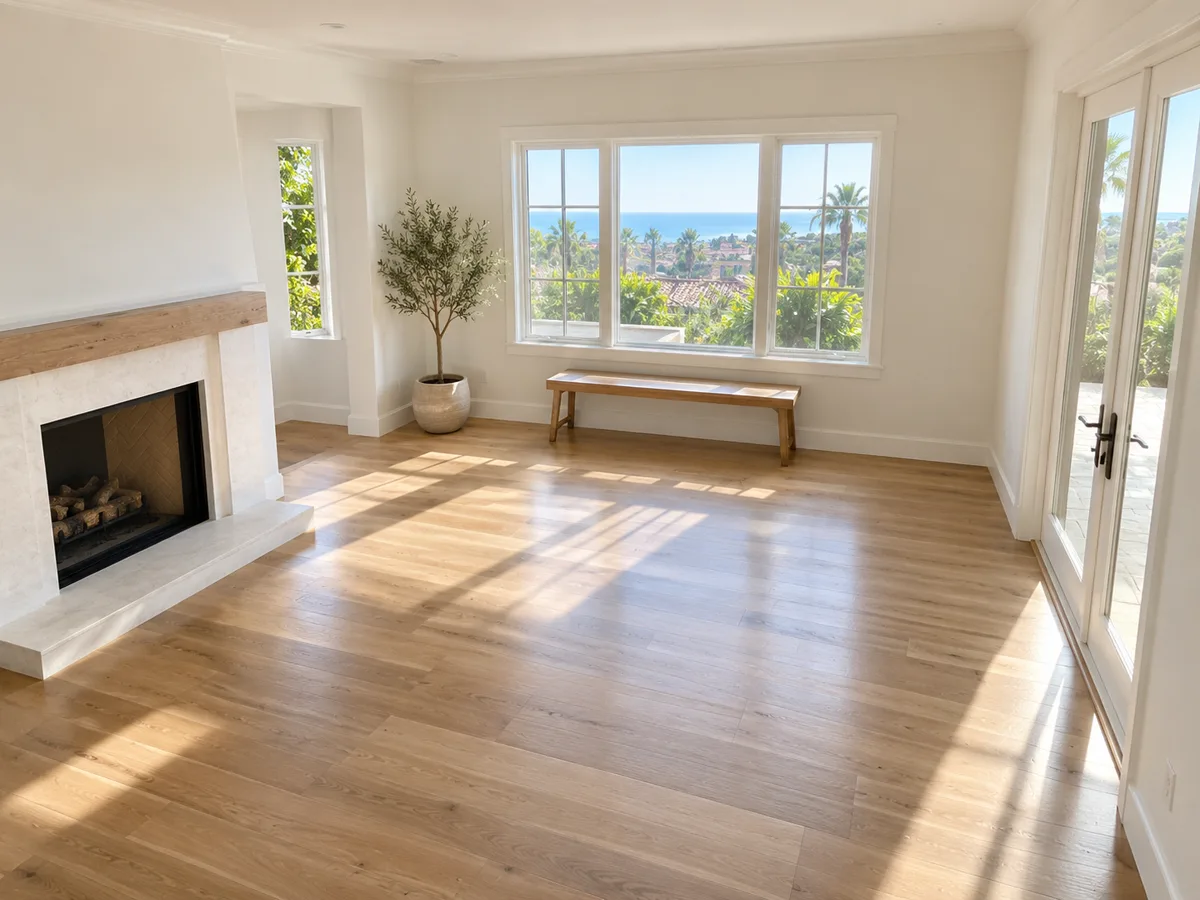
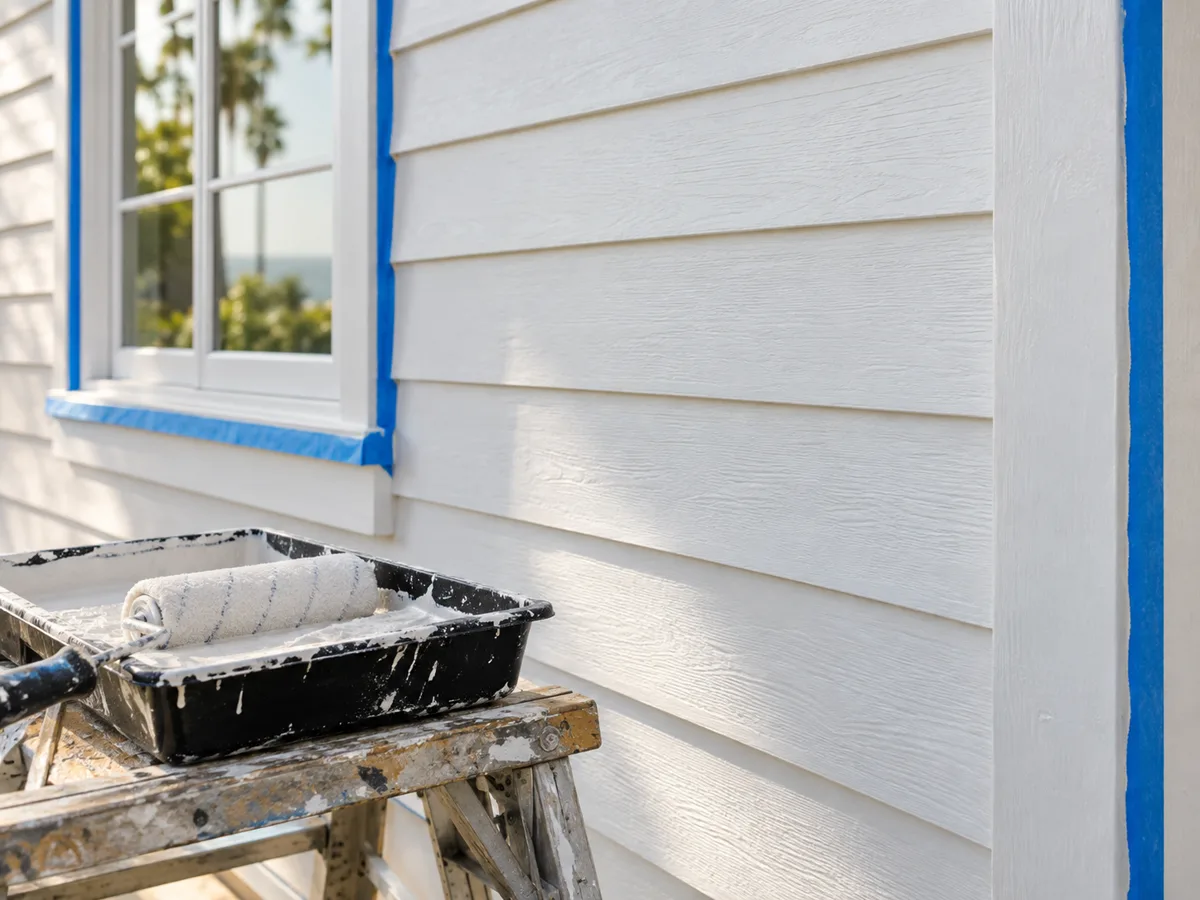
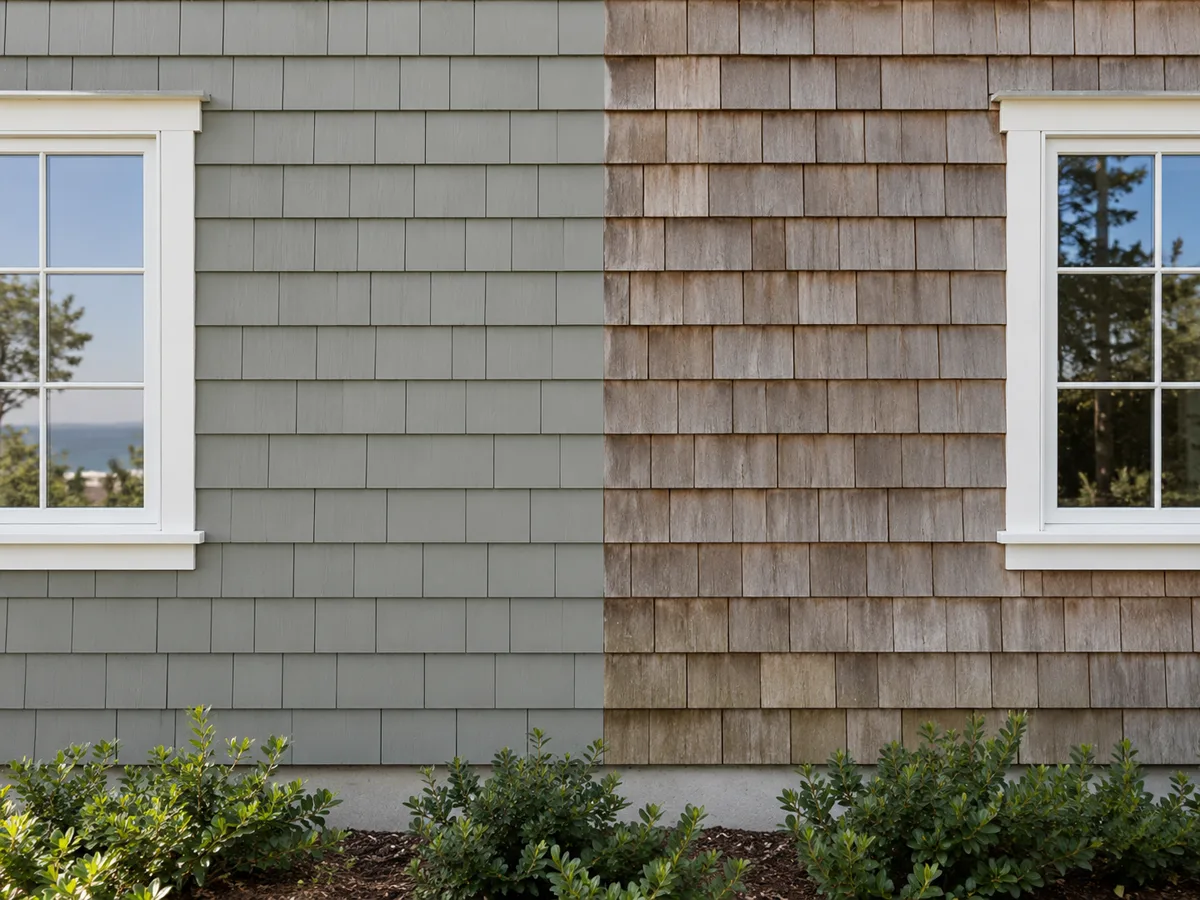
Baseboards and shoe molding
The baseboard conceals the junction of wall and floor, and the small shoe molding in front of it covers any gap at the floor. Both collect vacuum marks and mop splashes, so they get the toughest finish in the room.

Carlsbad Expert Painting is a leading San Diego County crew for trim and door painting in Carlsbad, CA, specializing in baseboards, door casings and crown molding. We offer interior door painting and shoe molding refinishing.
Our team provides filled joints and sanding between coats, delivering painting that stays smooth and hard under daily handling for both residential and commercial projects. The crew that walks your house is the crew that paints it, and we write a scope that names the sanding, the primer and each coat of enamel before the first brush is loaded.
From filling finish-nail holes along a run of baseboard to a whole house of doors, casings and crown, our team handles every detail. Serving Carlsbad as well as Encinitas, Oceanside and Vista, we treat the woodwork as its own job with its own products instead of an afterthought at the end of a wall repaint.
Why Carlsbad Expert Painting
No salesperson hands you to a stranger. The person who measures the job answers for it.
Baseboard, casing and door painting in Carlsbad is a separate job from painting walls because woodwork takes the wear. Baseboards protect the wall from kicks, abrasion and furniture, and doors are pushed and pulled by hand through the whole day. That calls for a harder paint, more prep per square foot and a different brush technique than a wall.
The baseboard conceals the junction of wall and floor, and the small shoe molding in front of it covers any gap at the floor. Both collect vacuum marks and mop splashes, so they get the toughest finish in the room.
Casing is the finish trim around a door or window opening, covering the gap between the wall and the frame. Its corners and mitered joints are where old paint and caulk crack first.
Crown is the wide molding at the junction of wall and ceiling. It is rarely touched, but it is seen from every angle, so a wavy line or a brush mark shows from across the room.
Panel doors and flat slab doors are among the most handled painted surfaces in a house. The area around the knob and the edge that meets the jamb wear through first.
A hard, smooth finish comes from the order of the steps: sand until the old shine is gone, fill and prime, close the joints, then build enamel coats with a light sanding between them. Skip one and the finish shows it within months.
Trim that is already smooth is sanded with fine paper until no shine is left, which gives new paint something to grip. Rough or chipped trim starts with a coarser grit and works down to the fine one.
Holes, dents and cracks are filled first and sanded flush. Every spot of bare wood and every filled patch is then primed, because primer bonds the finish coat and keeps filler from showing as a dull patch under the enamel.
The joint where trim meets a wall is where a gap shows most. We cut out cracked caulk and lay a fresh bead of paintable acrylic caulk along the primed joint, then tool it clean. A gap left open would read as a dark line on the finished edge, and pure silicone is never used on trim that will be painted, because paint will not stay on it.
Enamel is paint that air-dries to a hard, usually glossy film that resists chipping, fading and discoloration. A light sanding between coats knocks down dust nibs and brush ridges so the last coat lays flat.
Interior doors can be painted hanging in place or taken off their hinges and laid flat. We decide door by door on the walkthrough, because both methods work and they differ in how the house runs during the job and how even the panels come out.
A door lying level lets enamel flow out without sagging, which gives an even film on flat slab doors and inside the recessed panels of a raised-panel door. Hinge positions are marked so each door returns to its own opening.
Hanging doors keep bedrooms and bathrooms private while work is underway. Hardware is removed or masked, and the door is propped so both faces and the latch edge can be reached.
Knobs, levers and strike plates come off rather than being painted around. Hinges stay unpainted unless you ask otherwise, so the door swings freely.
Bifold and sliding closet doors are lifted out of their tracks, painted flat and rehung, and the tracks and pulls are cleaned before they go back.
Semi-gloss is the usual sheen for trim and doors because it wipes clean and shows off the shape of a profile. High gloss is even more durable and easy to clean but acts like a mirror for every dent, so it is reserved for woodwork in good shape.
If only the woodwork is being done, we protect the walls and cut a clean line where enamel meets wall paint.
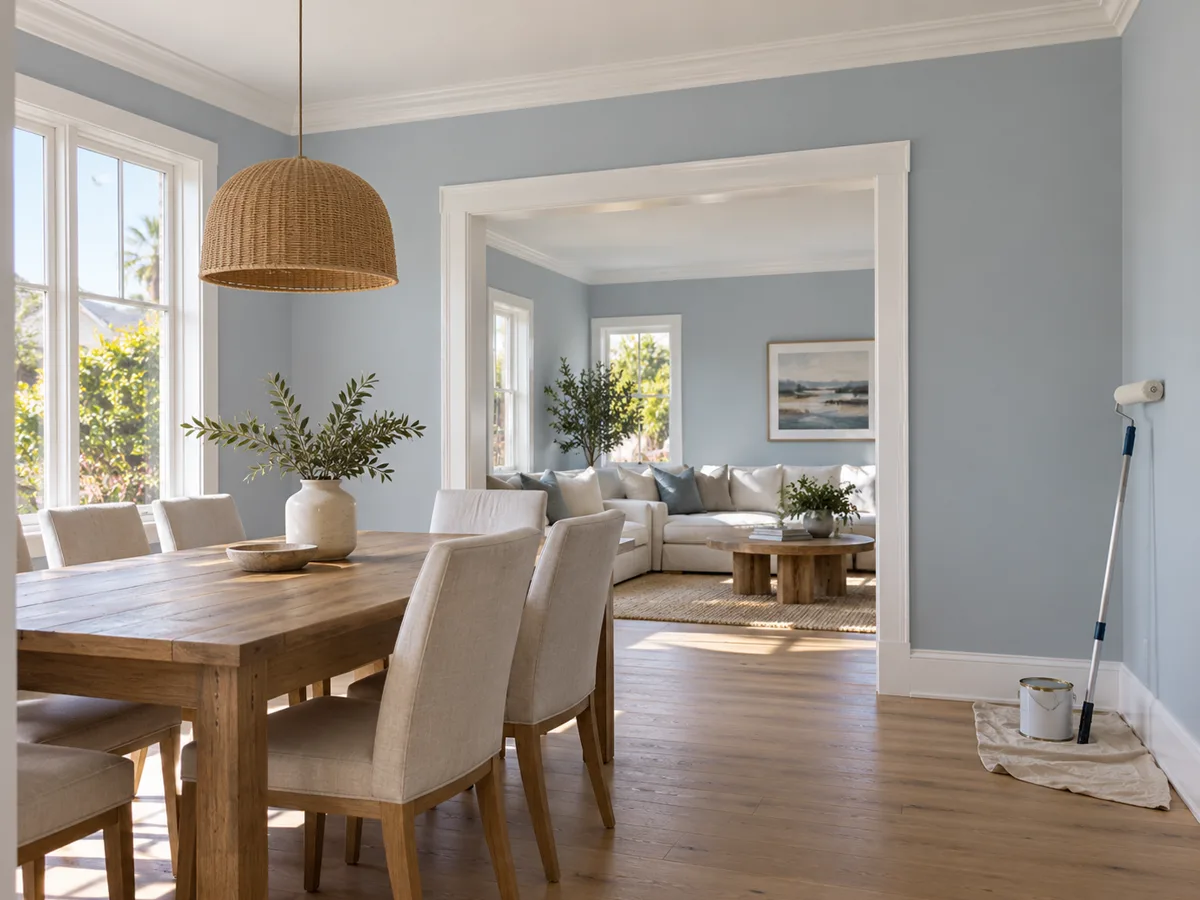
Trim work is rarely just the baseboard in one room, and the walkthrough is where the full list is written down. A house built in the 1980s tends to carry a lot of woodwork in the places that get handled most, and each item is counted on the estimate so nothing is a surprise.
If you want the woodwork refreshed room by room over several visits, the scope can be split that way, with each room finished and cleaned before we move to the next.
Trim, baseboard and door painting in Carlsbad is typically estimated at roughly $200 to $1,500, from a single room of baseboards and casings to the woodwork of several rooms.
Every figure here is an estimate that can change once the woodwork has been seen up close. Your written quote after the free walkthrough sets the final price.
Scuffed baseboards and grimy doors are often what a new tenant or buyer notices first, and rental owners can book woodwork on its own between occupants. Associations that maintain doors and trim in clubhouses or lobbies, and builders who need casings finished on a production schedule, can call for a separate written proposal.
The process
Four steps, and nothing is painted until you have approved the scope and the colors.
We walk the house or property with you, look at the stucco, the trim and the old coating, and note what the sun, the salt air and the marine layer have done to each side.
You get the prep, the products, the colors and the dates in writing. For an association or a building, the scope is phased so residents and tenants know which day is theirs.
Washing, scraping, patching and caulking come first, because that is what the paint holds on to. Then primer where it is needed and the finish coats.
We walk it again with you before we call it done, and touch up anything you point at.
Questions
Yes. Trim and doors are a job on their own. We protect the walls, cut a straight line where the enamel meets the wall paint, and leave the wall color untouched.
A properly prepped enamel resists chipping far better than wall paint used on trim. Sanding for grip, priming bare spots and building enamel coats is what keeps the edge from flaking.
Sometimes. Flat slab doors often come off and are laid level for the most even face, while doors you need for privacy can be painted in place. We decide door by door with you.
Usually the caulk was the wrong type, too thin, or laid on bare wood that pulled the moisture out. We cut out the failed bead, prime the joint and lay fresh paintable acrylic caulk.
Yes. Stained or varnished trim is cleaned, sanded dull and primed so the wood tone does not show through the white. The primer is listed on your estimate.
A single room of baseboards and casings is a normal job for us. The written estimate breaks out each room and each door, so you can add or drop items before we start.
Yes. Crown is included on request and priced by linear foot, and the estimate says whether ladders or staging are needed for tall rooms.
Yes. The written estimate can be split by room, and each room is finished and cleaned before we move to the next, so you can live in the rest of the house.
Homeowners get a free on-site estimate. Boards, managers and contractors can send a scope for a bid.
Licensed, insured and bonded · License #585047. Calls only, we do not receive text messages.