Heat and UV, not salt
Poway has a borderline semi-arid, hot-summer inland climate, with record highs recorded between 110 and 114 degrees Fahrenheit and around 13 inches of rain in an average year. There is little marine layer here. What breaks paint in Poway is the sun and the heat, and the planning is built around that.
A wall that faces west in the afternoon can be too hot to coat safely. Paint applied to a very hot surface can dry before it levels, leave lap marks and blister. So we do not chase a fast job at midday. We start on the shaded side, follow the shade around the house, and hold the sun-facing walls for early morning or later in the day.
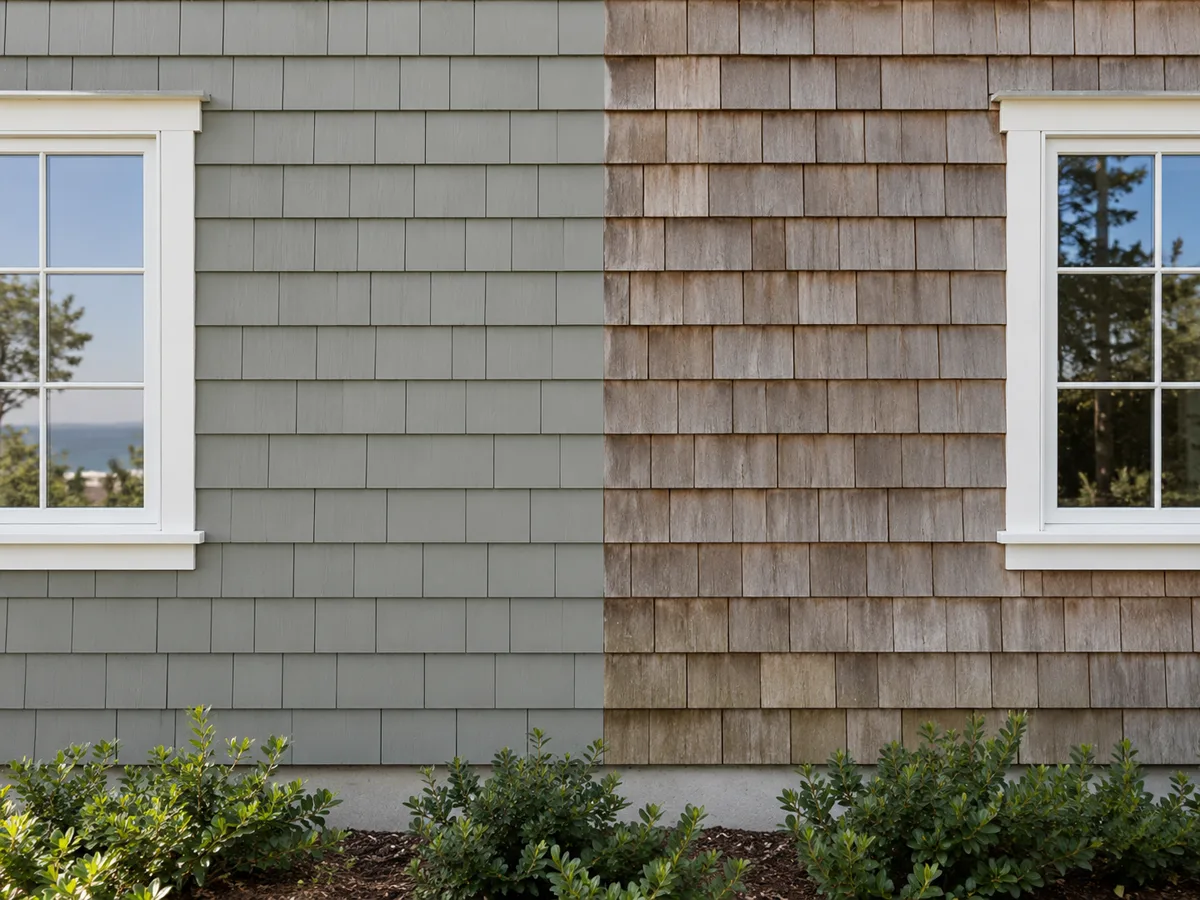
- South and west walls fade and chalk first, and their trim checks and cracks.
- Caulk stiffens in the heat and pulls away from joints.
- Dark colors take more heat and fade faster than light ones.
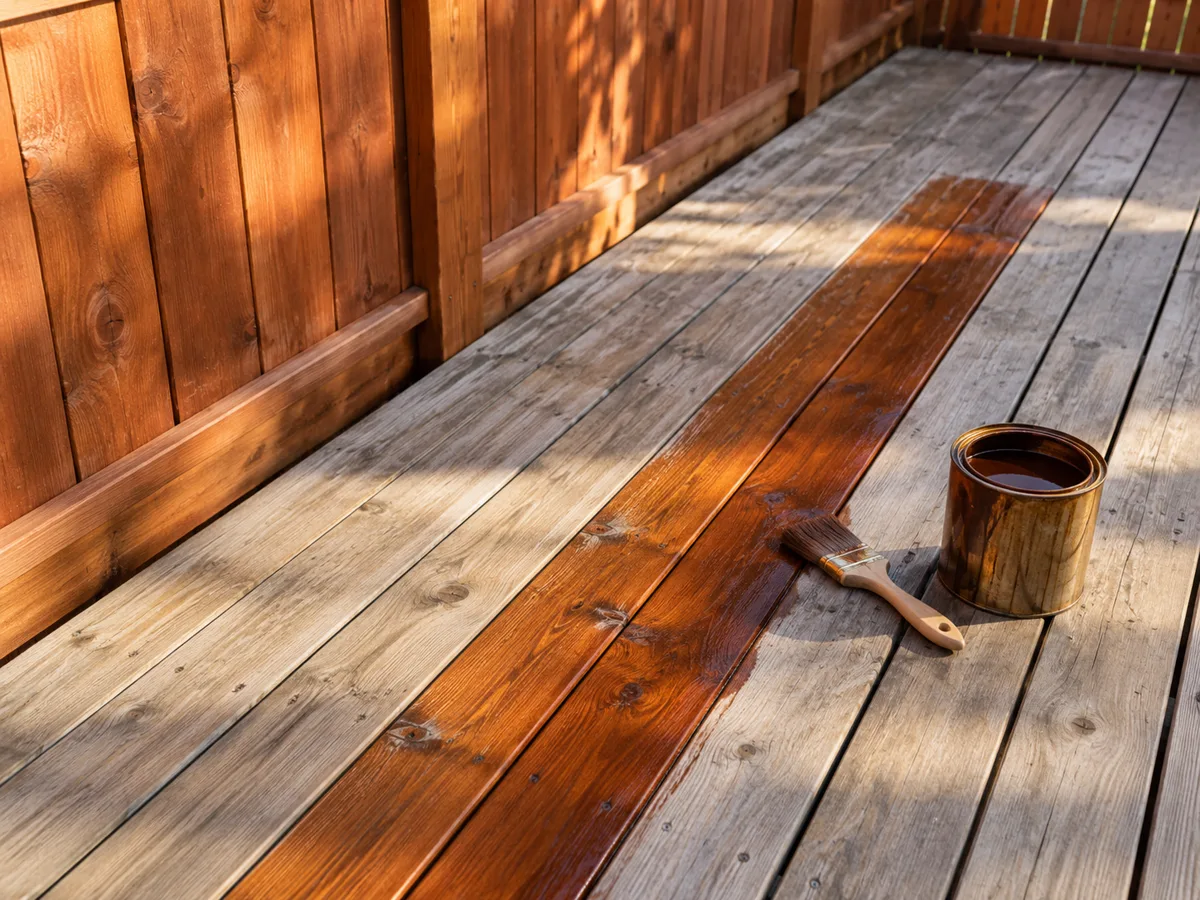
- Wood dries out and opens at the grain, which is why bare spots are primed before any finish coat.
There is no fog to wait out here, which is a benefit: the calendar is about avoiding the hottest hours and the driest windy days, not about waiting for a marine layer to burn off. We check the forecast a few days ahead and move the exterior schedule when a heat wave arrives.
We do not promise how many years a coat will last in this sun, because that depends on color, exposure, prep and the product. What we can do is name the product, the primer and the number of coats in the written scope, and choose lighter or more fade-resistant colors when the sun is the main concern.