Stair treads and landings
Treads are done in halves or by flight so at least one route stays open, with signs and cones marking the wet side. Non-skid additive is a specification decision the owner makes, and we price it as a line.

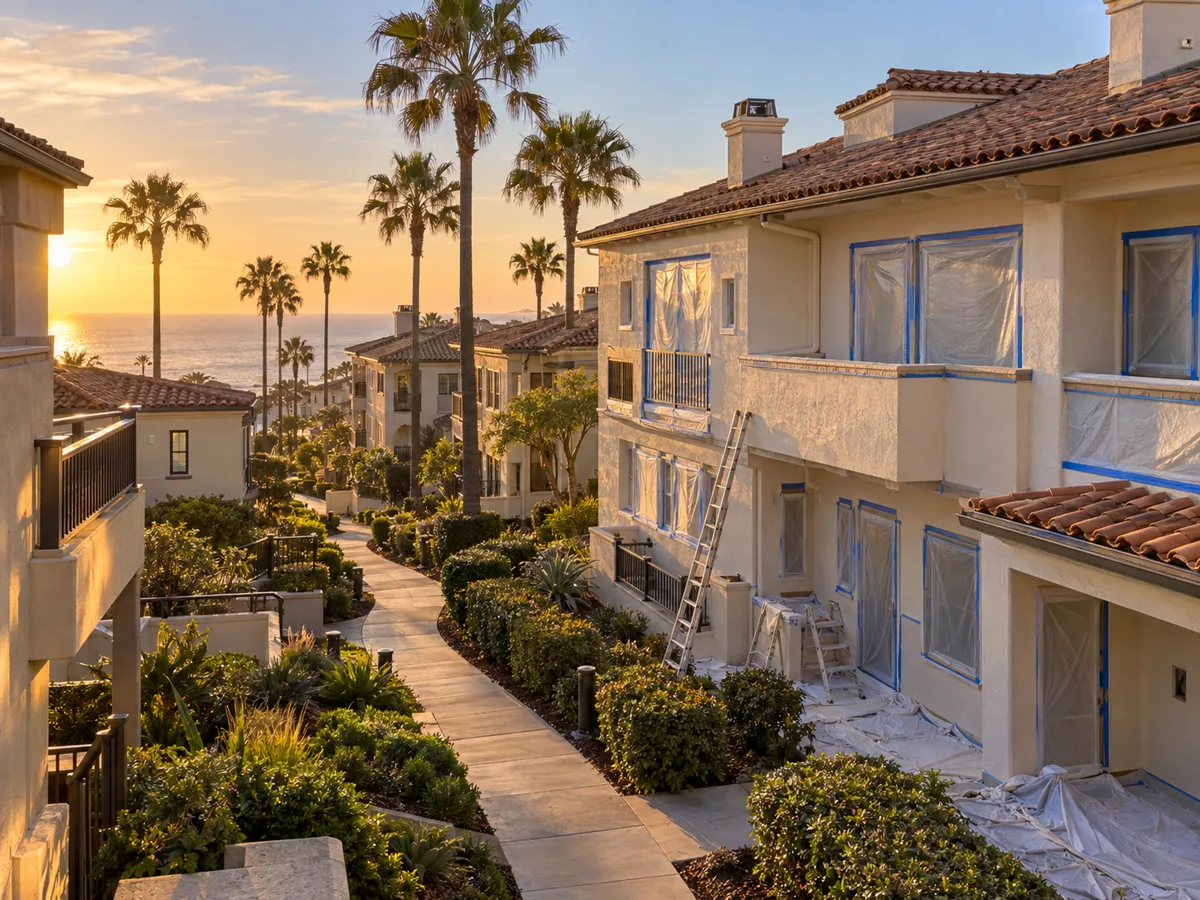
Carlsbad Expert Painting is San Diego County's trusted specialist in apartment painting in Carlsbad, CA, specializing in multifamily building exteriors, stairways and balcony railings. We offer occupied-community painting and phased common-area coatings.
Our team provides building-by-building sequencing, delivering fresh painting that keeps every unit leased for both residential and commercial projects. We write a scope that names the prep, the primer and the coats for each surface, and the crew that walks a building with the manager is the crew that paints it, finishing with a walkthrough and a punch list.
From stair treads and rusted rails to the final leasing-office touch-up, our team handles every detail. Serving Carlsbad, Lake San Marcos and Solana Beach, we plan each repaint so residents keep their parking, their entries and their routines.
Why Carlsbad Expert Painting
No salesperson hands you to a stranger. The person who measures the job answers for it.
Multifamily residential means several separate housing units contained in one building or a complex of buildings, and on a working community every one of those units has a household in it. An exterior repaint therefore has two customers: the owner who pays for it and the residents who live beside it every day.
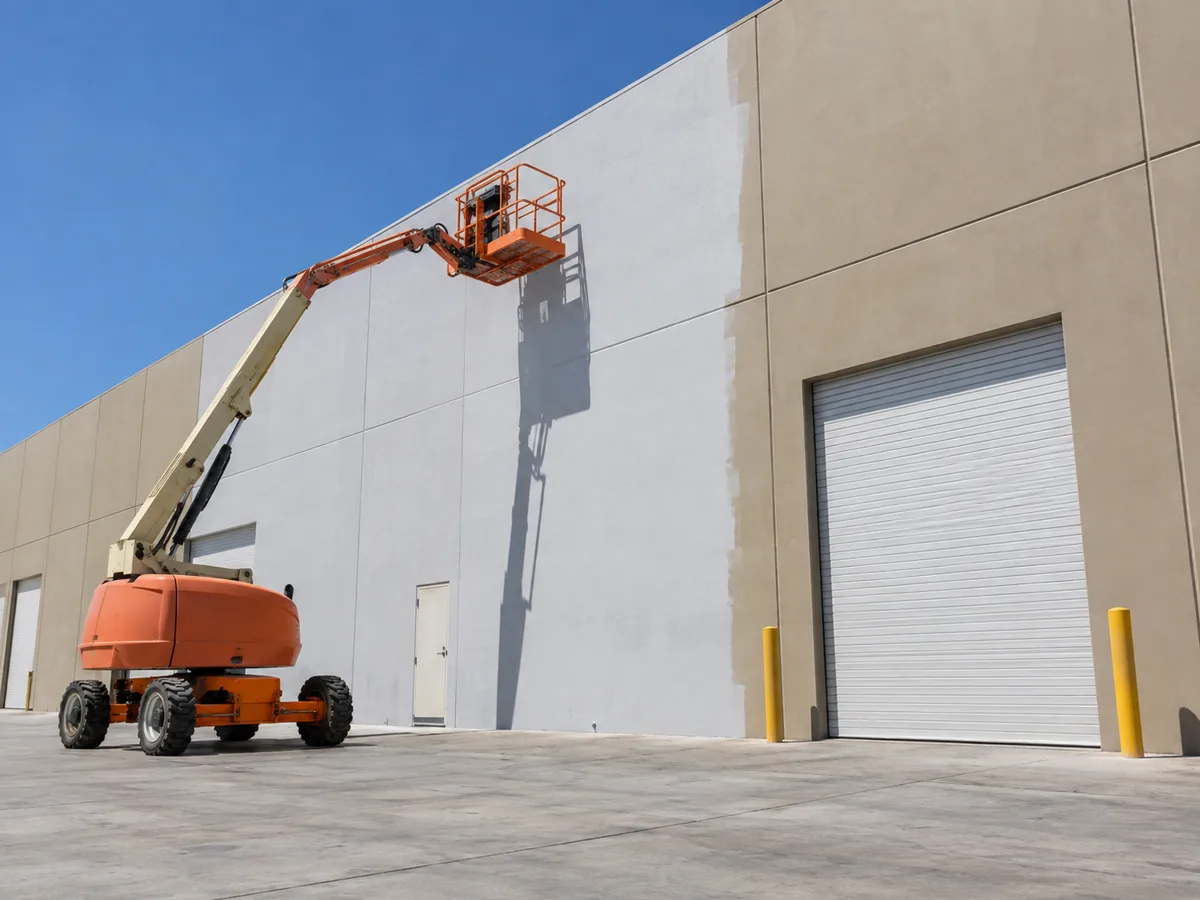
The plan is built to keep both satisfied. Work moves building by building, so residents deal with the crew for a short, announced stretch instead of a long, vague one. Each building has a start date and an expected length written on the bid, and the scope covers the surfaces the owner is responsible for: stucco or siding, trim, fascia, breezeways, garage and carport faces, mailbox and trash enclosures.
Interior unit work is a different job with a different calendar, and it has its own page. This page is about the buildings the whole community sees.
The surfaces residents touch every day are the ones that fail first and get noticed first. They also cost the most in time, because they must stay usable. A stairway cannot simply be closed for a week.
Treads are done in halves or by flight so at least one route stays open, with signs and cones marking the wet side. Non-skid additive is a specification decision the owner makes, and we price it as a line.
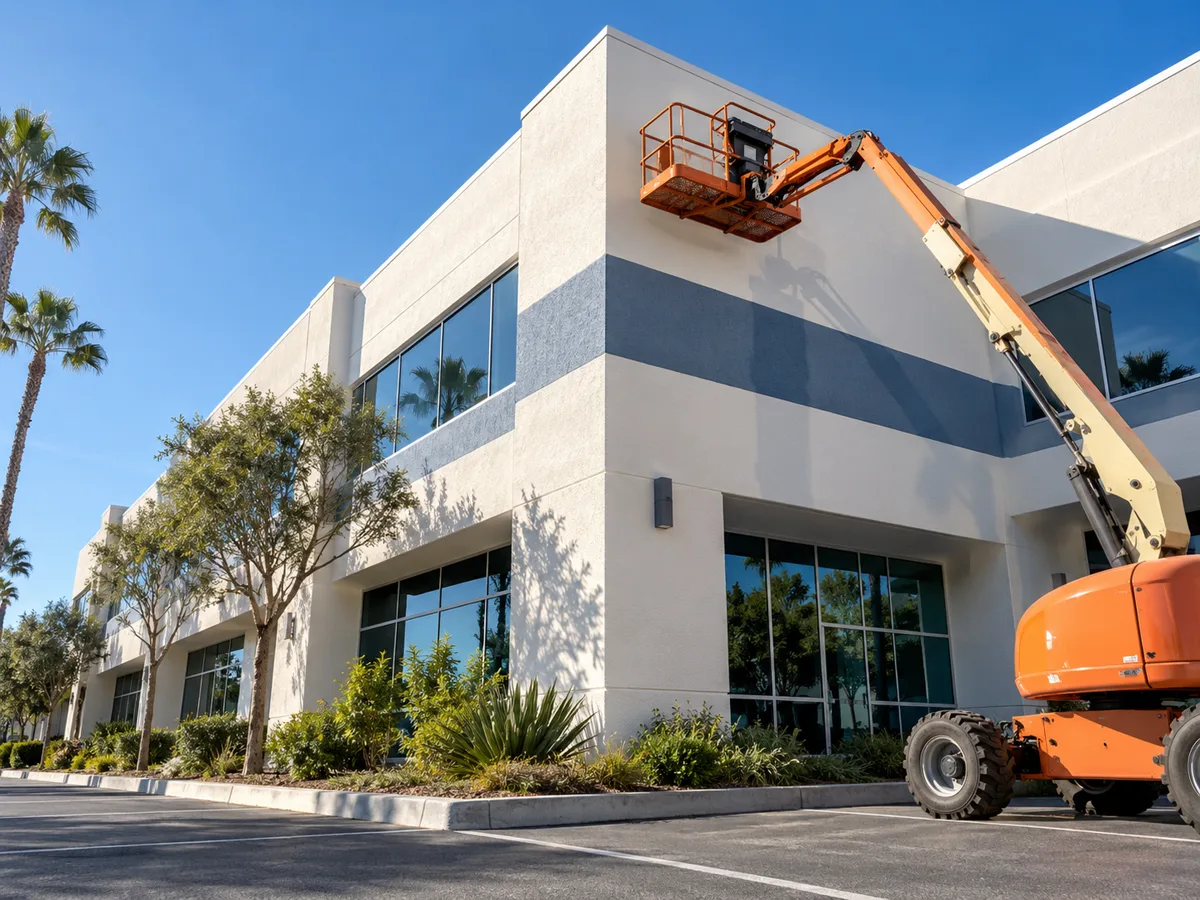
Balcony faces are painted from lifts or scaffolding, and floors are coordinated with residents so furniture is moved once, not twice.
Rust is scraped or wire-brushed, bare steel is spot primed and the finish goes on in the specified sheen. Primer protects the metal and gives the finish something to hold, which matters near the coast where salt air is a fact of life.
Soft or split wood is flagged with the manager before it is painted over, and repairs are approved as allowances.
Residents cooperate when they know what will happen and when. Our notices are drafted for the manager to send, and they say the same three things every time: which building, which dates and what residents need to do.
Where the work touches a unit, for example to reach a window from a balcony, California's landlord-entry rules apply. Civil Code section 1954 allows entry to make agreed repairs and decorations, requires reasonable written notice with the date, approximate time and purpose, and presumes twenty-four hours is reasonable in the absence of evidence to the contrary. The manager sends that notice; we schedule around it.
The leasing office and any model area are painted first or last by owner preference, so prospective tenants never tour on the messiest week.
Carlsbad summers are overcast and cool with fog off the Pacific, and that marine layer slows exterior drying. On a multifamily property with dozens of separate wall faces, a slow morning can move a whole building's schedule, so the plan carries room for it.
Every one of these decisions is about protecting the finish and the residents' cars and patios at once, which is why the schedule is written by building and adjusted with the manager as weather develops.
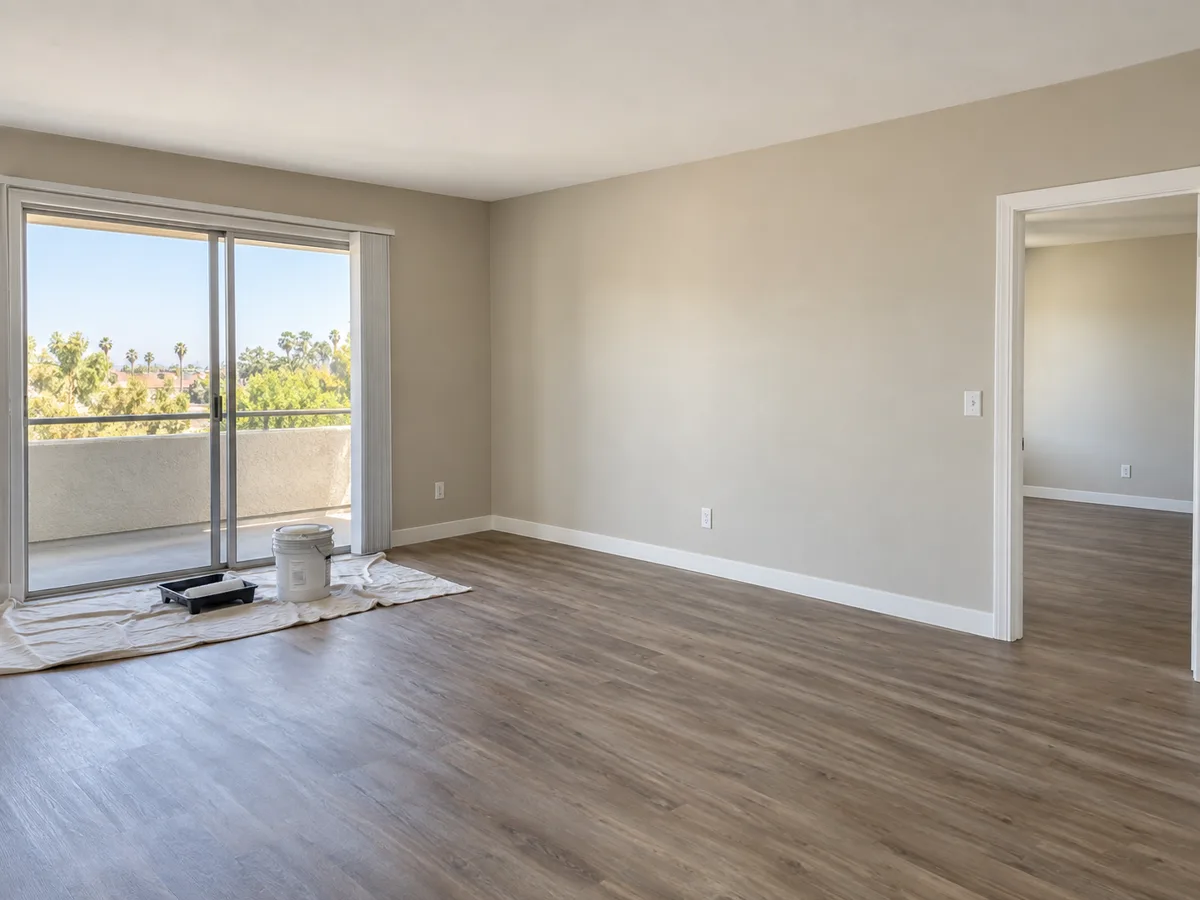
Every multifamily walk turns up conditions that paint alone will not fix, and the honest way to bid them is to say so. We record each one with a photo and a building number and sort them into three groups.
Caulking, small stucco cracks, minor wood repairs and rust removal on rails, since these are part of preparing any exterior.
Soft wood, larger stucco damage and failed sealant joints are carried as unit prices, and the manager approves each use before it happens, so the owner pays for what is found and nothing more.
Roof leaks, failed flashing and dry rot in structural members belong to a roofer or carpenter first. Painting over them hides a problem the asset manager needs to see, so we flag them on the walk report and leave them out of the paint scope. The walk report becomes an attachment to the bid, so the owner has a building-by-building record of condition before the first ladder goes up and a matching record of what was fixed when the last punch list closes.
Apartment and multifamily repainting is typically estimated at roughly $75,000 to $500,000 per property, and the range comes from the property, not from a rate card.
These figures are estimates and are subject to change after the walk. The written bid sets the final price, and it comes back as one scope, itemized by building, so an asset manager can compare it to a reserve line or a capital budget. Send unit counts, building counts or a site plan, and we will return it.

The process
Four steps, and nothing is painted until you have approved the scope and the colors.
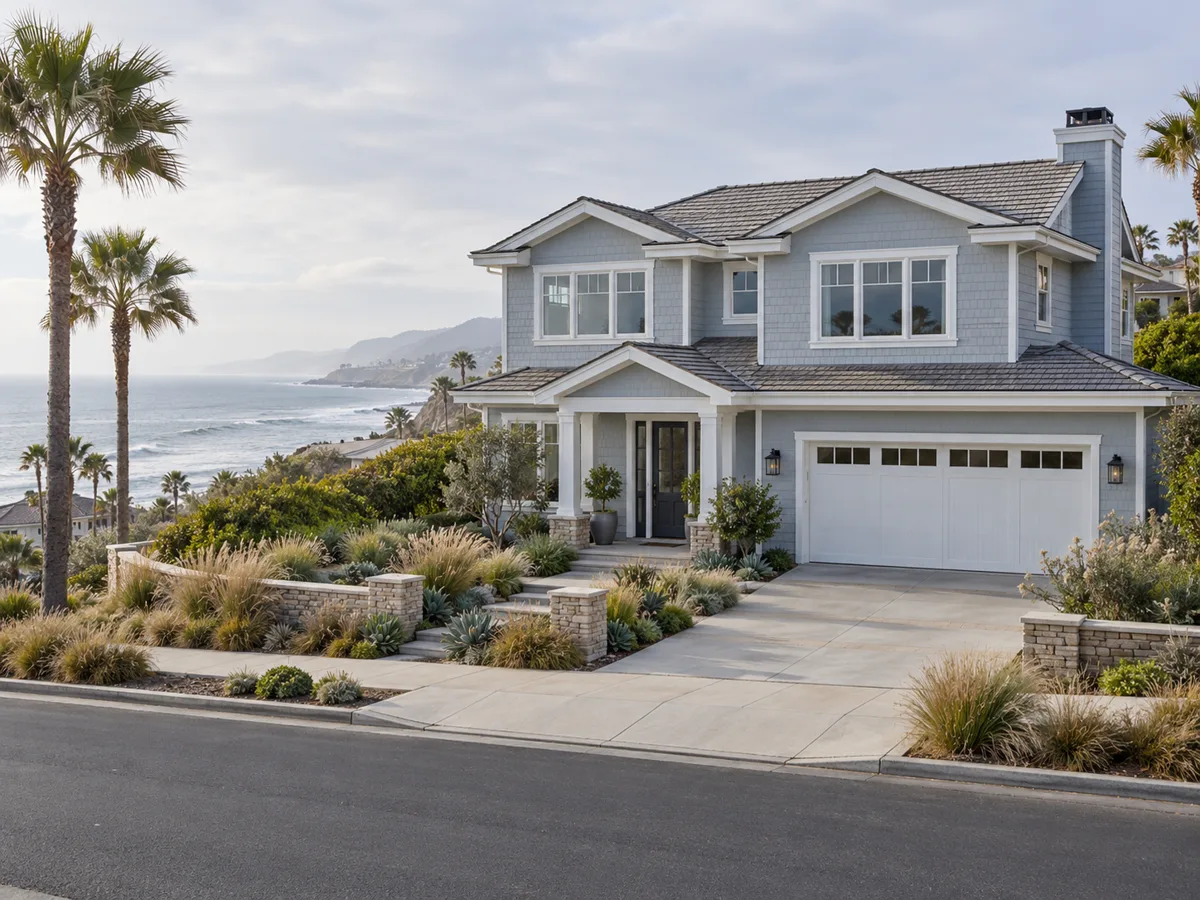
We walk the house or property with you, look at the stucco, the trim and the old coating, and note what the sun, the salt air and the marine layer have done to each side.
You get the prep, the products, the colors and the dates in writing. For an association or a building, the scope is phased so residents and tenants know which day is theirs.
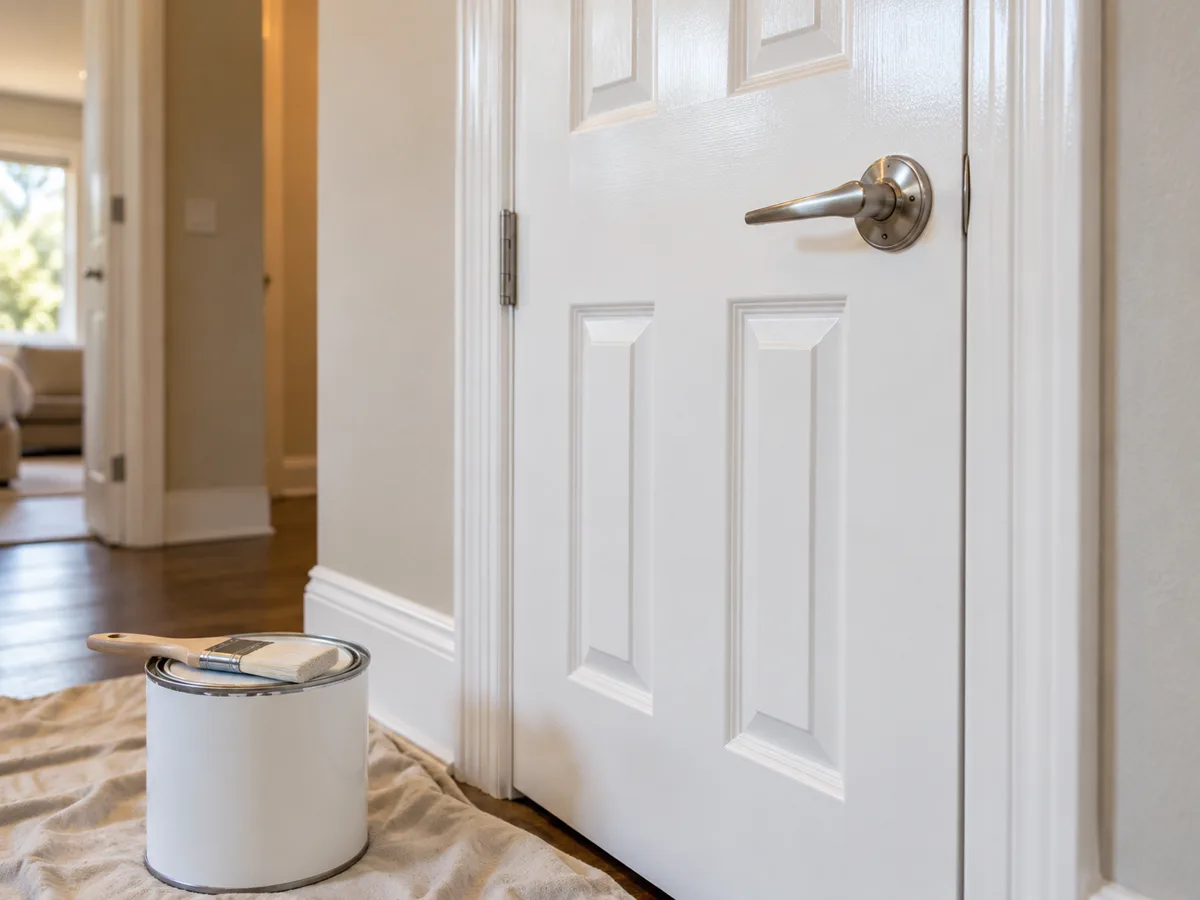
Washing, scraping, patching and caulking come first, because that is what the paint holds on to. Then primer where it is needed and the finish coats.
We walk it again with you before we call it done, and touch up anything you point at.
Service area
Questions
Yes, and that is the normal case. Work runs building by building on a posted schedule, with notices, parking moves and protected entries, so residents keep using their homes.
Treads are coated in sections so one route stays open, wet sides are marked, and each flight is timed with the manager so residents know which stairs to use on which day.
The manager sends the notices, and we write them. A community notice sets out the plan, and a short building notice goes out just before each turn.
Parking moves are scheduled by building, and we mask or move only what the day requires. Nobody loses a space for longer than the day it is needed.
Whichever the owner prefers. Painting it first gives prospective tenants a finished front door; painting it last keeps the messiest week away from the tours.
They can. Balcony floors are coordinated with each resident so furniture is moved once, and the coating system is chosen by the specification and the surface, not by habit.
We stop at that spot, photograph it and tell the manager the same day. Paint does not fix structural damage, so the item is referred to the right trade and the paint scope is adjusted.
Yes. A single building can be done first as a mockup, so the owner and the manager can judge the finish and the residents' experience before the rest of the property is scheduled.
The exterior and the unit interiors are separate jobs with separate calendars, and we price them separately. Many owners keep one contact for both and ask us to schedule around vacancies.
A signed punch list for every building, the approved color schedule with drawdown cards, the product list by surface and labeled leftover paint for future touch-ups.
Homeowners get a free on-site estimate. Boards, managers and contractors can send a scope for a bid.
Licensed, insured and bonded · License #585047. Calls only, we do not receive text messages.