Paint or stain for wood siding?
Wood siding can be painted or stained, and the choice changes both the look and the upkeep.
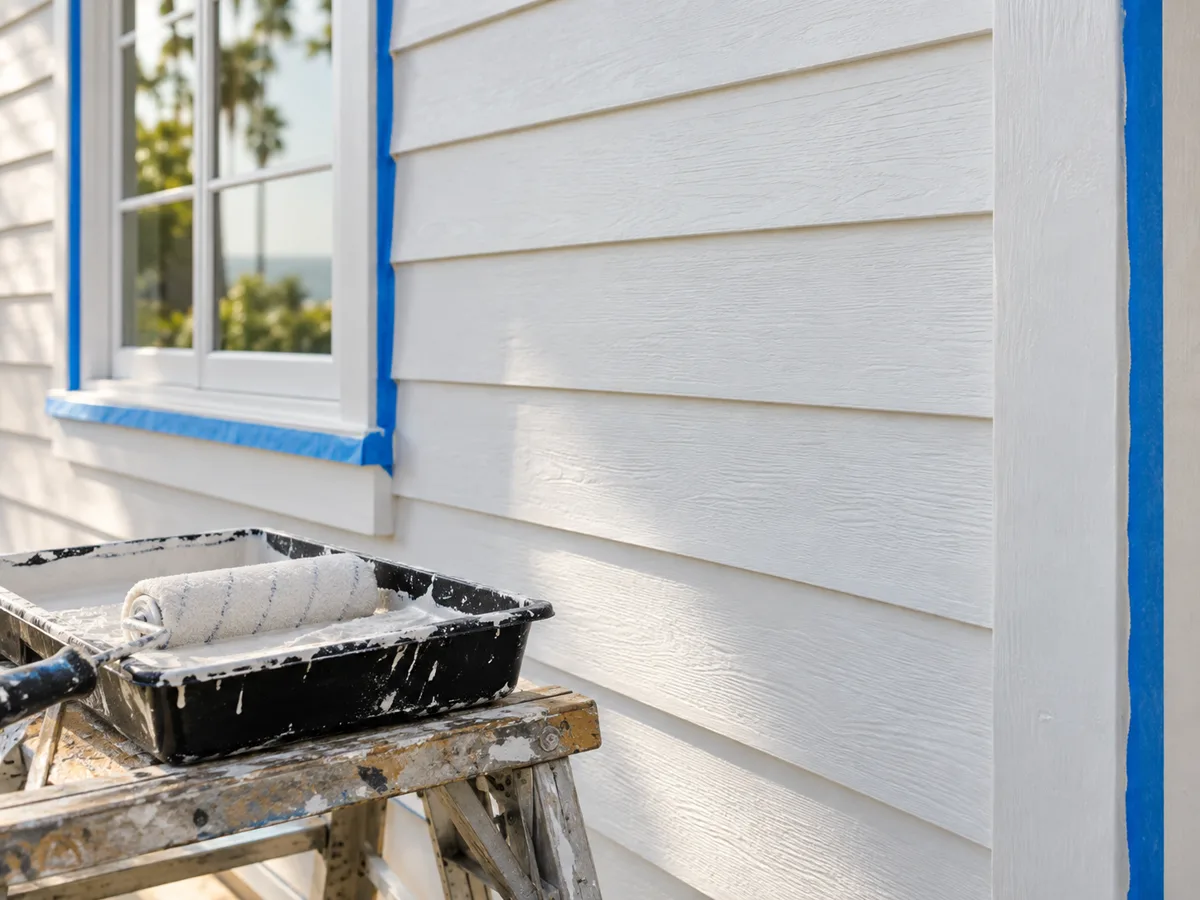
- Solid paint: hides the grain, gives a uniform color and protects well when the prep is good. It can peel if moisture gets behind it.
- Solid-color stain: covers like paint but is thinner and tends to wear rather than peel, which makes recoating simpler.
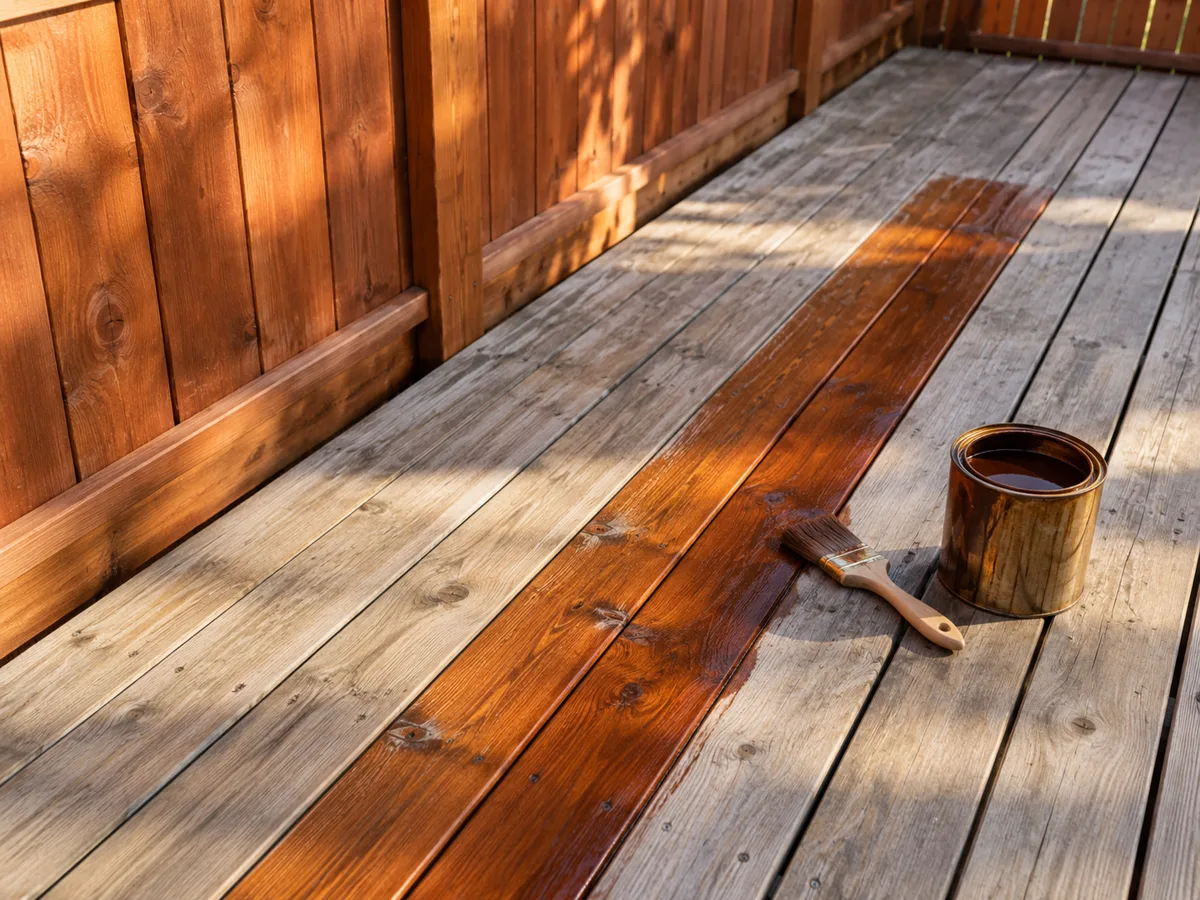
- Semi-transparent stain: shows the grain and soaks into the wood. It suits cedar and redwood in good condition and needs recoating more often.
Siding that has been painted before usually has to stay painted, because stain cannot soak into a painted surface. Bare or previously stained wood gives you more choice.
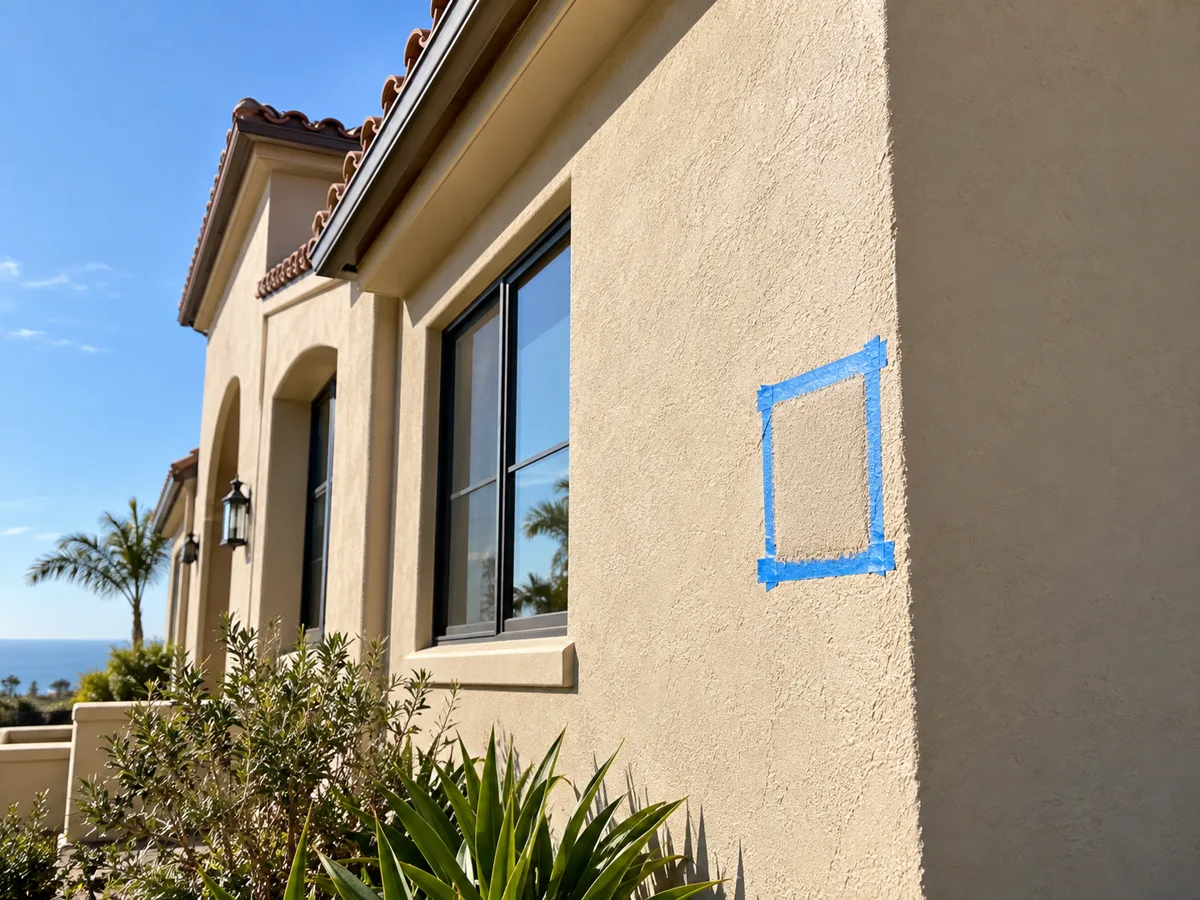
We look at the wood, its current finish and how much shade and moisture it gets, then recommend one approach and explain why. A test area shows you the result before the whole wall is done.
Whichever finish you choose, we seal knots and repair split boards first, and we caulk joints that should be sealed while leaving the gaps that let siding drain. Blocking those drainage gaps traps water behind the boards, which is a common reason new paint fails on wood houses.
Moisture content is the other check. Wood that is still damp from rain, sprinklers or morning shade will push the coating off as it dries, so we test boards with a moisture meter on shaded walls and wait when the reading is high. A day of waiting costs far less than a wall that peels within a year.